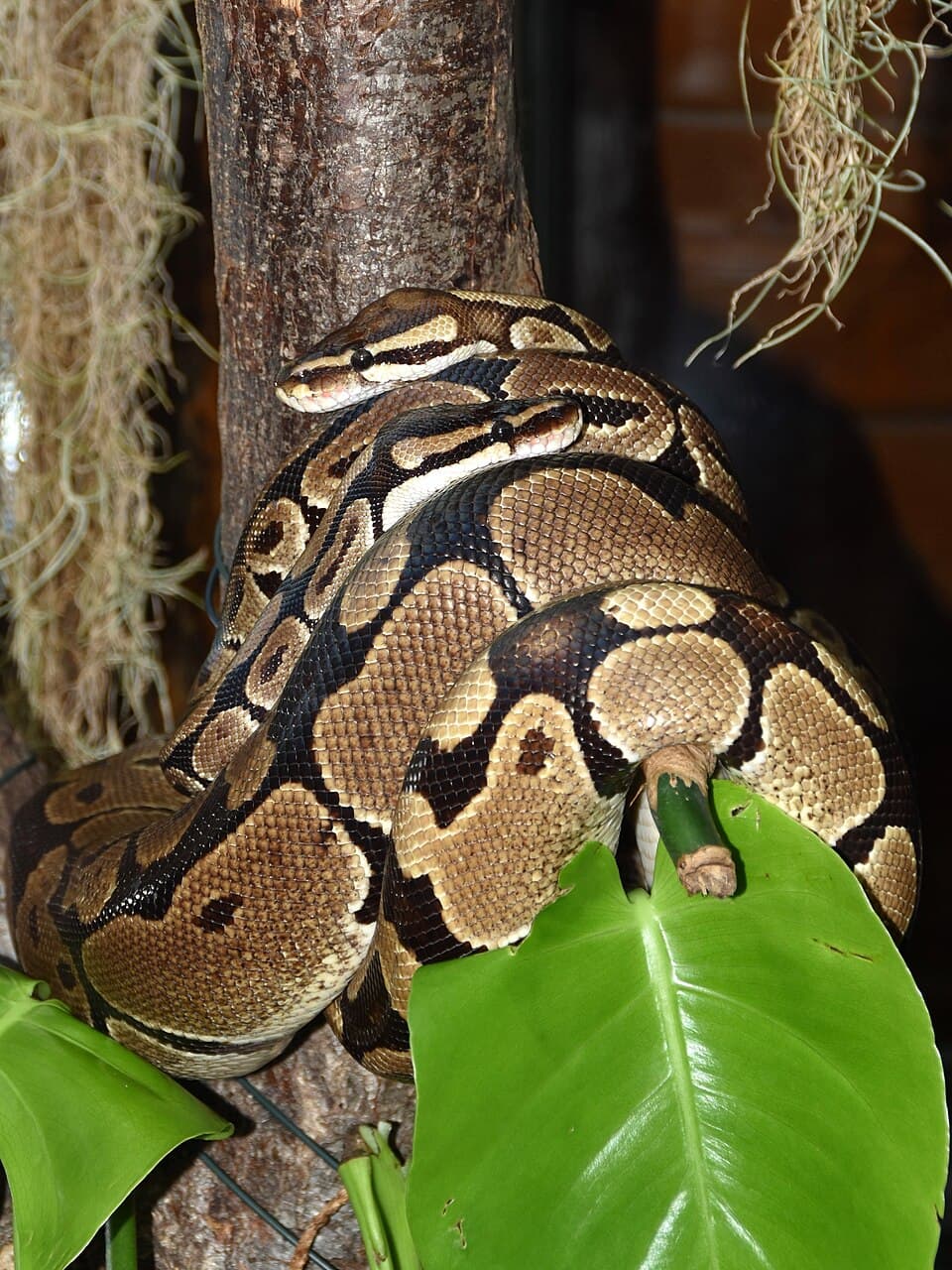
Ball Python
Python regius
The Ball Python is one of the world's most popular pet snakes, prized for its calm temperament, manageable size, and incredible diversity of naturally occurring and selectively bred color morphs. This guide combines evidence-based husbandry practices with practical experience to help keepers provide exceptional, welfare-focused care.
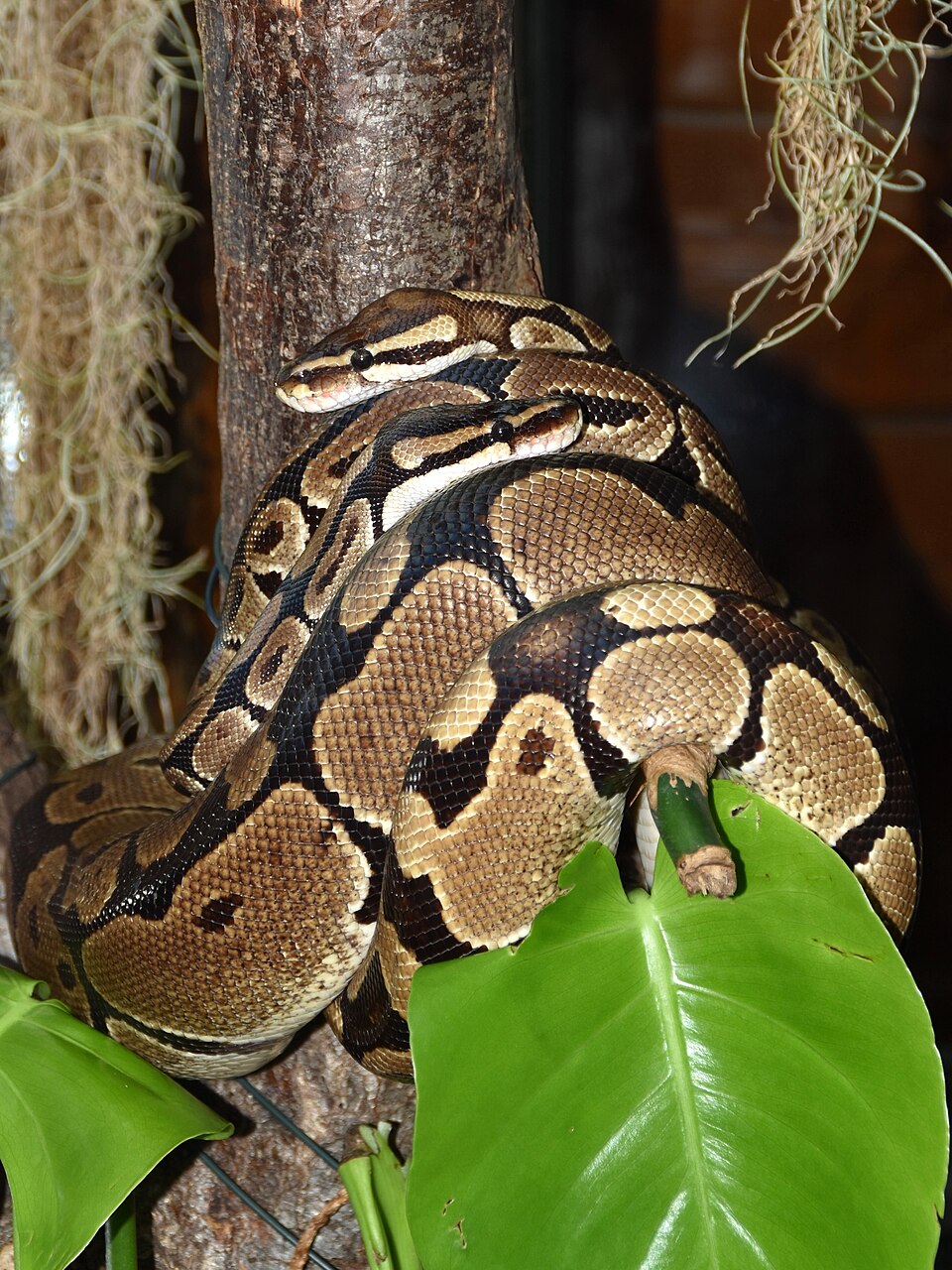
ScalesWiki Publication
Ball Python Care Guide
Python regius
First Edition • Version 1.0
Trusted reptile husbandry reference
Publisher
ScalesWiki
Last Updated
July 2026
Audience
Beginner Keepers
Publication Status
This guide is currently awaiting veterinary review.
Purpose
This guide has been developed by ScalesWiki to provide practical, evidence-informed husbandry recommendations for keepers, educators, rescue organizations, and veterinary professionals. Every effort is made to keep this publication current, accurate, and based on modern reptile care standards. Veterinary review status is displayed within each edition of the guide.
Recommended Citation
ScalesWiki. Ball Python Care Guide. First Edition. Version 1.0. July 2026.
ScalesWiki Resource
Ball Python 101: Complete Care Guide
A complete educational guide for responsible ball python ownership, including husbandry guidance, checklists, and keeper resources.
Species Overview
Quick Facts
An at-a-glance summary of the essential husbandry requirements for maintaining a healthy Ball Python in captivity.
🐍 Scientific Name
Python regius
🌍 Native Range
West & Central Africa
📏 Adult Length
3–5 ft (0.9–1.5 m)
⚖️ Adult Weight
1.5–5 lb (0.7–2.3 kg)
⏳ Lifespan
20–30+ Years
🟢 Experience
Beginner-Friendly with Proper Research
😌 Temperament
Generally Docile
🌙 Activity
Primarily Nocturnal
🏠 Adult Enclosure
Minimum 4 × 2 × 2 ft (120 × 60 × 60 cm)
🌡️ Warm Side
88–92°F (31–33°C)
❄️ Cool Side
76–80°F (24–27°C)
💧 Humidity
55–65% (70–80% During Shed)
🍽️ Diet
Frozen/Thawed Rodents
☀️ UVB
Beneficial (Low-Output)
📖 IUCN Status
Least Concern
Introduction
Getting Started with Ball Python Care
Ball Pythons (Python regius) are among the world's most popular pet snakes because of their generally calm temperament, manageable adult size, and long lifespan. Providing appropriate husbandry from the beginning helps establish the foundation for a healthy, thriving snake.
Scientific Name
Python regius
A nonvenomous constrictor native to western and central Africa.
Adult Size
3–5 ft
Most adults remain within this range, although individual variation occurs.
Lifespan
20–30+ yrs
Excellent husbandry can result in several decades of companionship.
Experience
Beginner+
Suitable for many new keepers who are committed to proper care.
Successful Keeping Starts with Husbandry
Plan Before Bringing Your Snake Home
Native Habitat
Why They're Called Ball Pythons
What This Guide Covers
References
The following sources support the information presented in this section.
Barker DG, Barker TM. Ball Pythons: The History, Natural History, Care and Breeding.
Divers SJ, Mader DR. Current Therapy in Reptile Medicine and Surgery.
Association of Reptile and Amphibian Veterinarians (ARAV) educational resources.
This guide is currently awaiting veterinary review.
Natural History
Understanding Ball Pythons in the Wild
Understanding how Ball Pythons live in their natural environment helps explain why they require secure hiding places, environmental gradients, and stable husbandry in captivity. Good captive care begins with respecting the species' natural biology.
Native Range
West & Central Africa
Found across a broad range of countries and habitats.
Activity
Crepuscular
Primarily crepuscular to nocturnal, with activity influenced by season, temperature, prey availability, and individual behavior.
Lifestyle
Terrestrial
Primarily terrestrial, while also utilizing burrows, termite mounds, and low vegetation or branches when appropriate.
Defense
Balling
Curls into a tight defensive ball when threatened.
Natural Behaviors Should Guide Husbandry
Security Reduces Stress
Native Habitat
Natural Diet
Daily Activity
References
The following sources support the information presented in this section.
Barker DG, Barker TM. Ball Pythons: The History, Natural History, Care and Breeding.
Divers SJ, Mader DR. Current Therapy in Reptile Medicine and Surgery.
Association of Reptile and Amphibian Veterinarians (ARAV) educational resources.
This guide is currently awaiting veterinary review.
Choosing a Ball Python
Is a Ball Python the Right Pet for You?
Ball Pythons can make rewarding companions, but they are a long-term commitment. Before bringing one home, consider the time, financial investment, enclosure space, and ongoing husbandry required throughout its lifetime.
Commitment
20–30+ Years
Many Ball Pythons live for several decades with excellent care.
Handling
Generally Calm
Many individuals tolerate gentle, routine handling well.
Care Level
Beginner+
Suitable for dedicated beginners willing to learn proper husbandry.
Daily Care
Moderate
Daily observation is important, even though routine maintenance is moderate.
Research Before You Buy
Prepare the Enclosure First
Avoid Impulse Purchases
Space Requirements
Ongoing Costs
A Long-Term Responsibility
Household Considerations
References
The following sources support the information presented in this section.
Barker DG, Barker TM. Ball Pythons: The History, Natural History, Care and Breeding.
Divers SJ, Mader DR. Current Therapy in Reptile Medicine and Surgery.
Association of Reptile and Amphibian Veterinarians (ARAV) educational resources.
This guide is currently awaiting veterinary review.
Enclosure
Designing the Ideal Ball Python Habitat
A properly designed enclosure is the foundation of successful Ball Python husbandry. It should provide security, appropriate environmental gradients, opportunities for natural behavior, and enough space for the snake to fully stretch out and explore.
Adult Enclosure
4 × 2 × 2 ft
A 4 × 2 × 2 ft enclosure is widely recommended as a practical minimum for many adult Ball Pythons. Larger enclosures may provide additional opportunities for exercise, environmental enrichment, and natural behaviors.
Juveniles
Appropriately Sized
Juveniles can thrive in appropriately sized enclosures that provide secure hiding places, environmental gradients, and opportunities to explore. As the snake grows, the enclosure should be upgraded accordingly.
Temperature
Thermal Gradient
Provide both warm and cool areas so the snake can regulate its body temperature.
Humidity
Stable
Monitor humidity with a calibrated digital hygrometer rather than estimating by appearance.
Replicate Natural Conditions
Choose an Enclosure That Maintains Stability
Avoid Empty Enclosures
Choosing an Enclosure
Environmental Enrichment
Environmental Stability
Security
References
The following sources support the information presented in this section.
Barker DG, Barker TM. Ball Pythons: The History, Natural History, Care and Breeding.
Divers SJ, Mader DR. Current Therapy in Reptile Medicine and Surgery.
Association of Reptile and Amphibian Veterinarians (ARAV) husbandry guidance and educational resources.
This guide is currently awaiting veterinary review.
Habitat Illustration
Ball Python Enclosure Blueprint
This technical blueprint demonstrates a modern, welfare-focused Ball Python enclosure designed to provide appropriate environmental gradients, security, enrichment, and opportunities for natural behavior. Use it as a visual reference alongside the enclosure recommendations discussed throughout this guide.
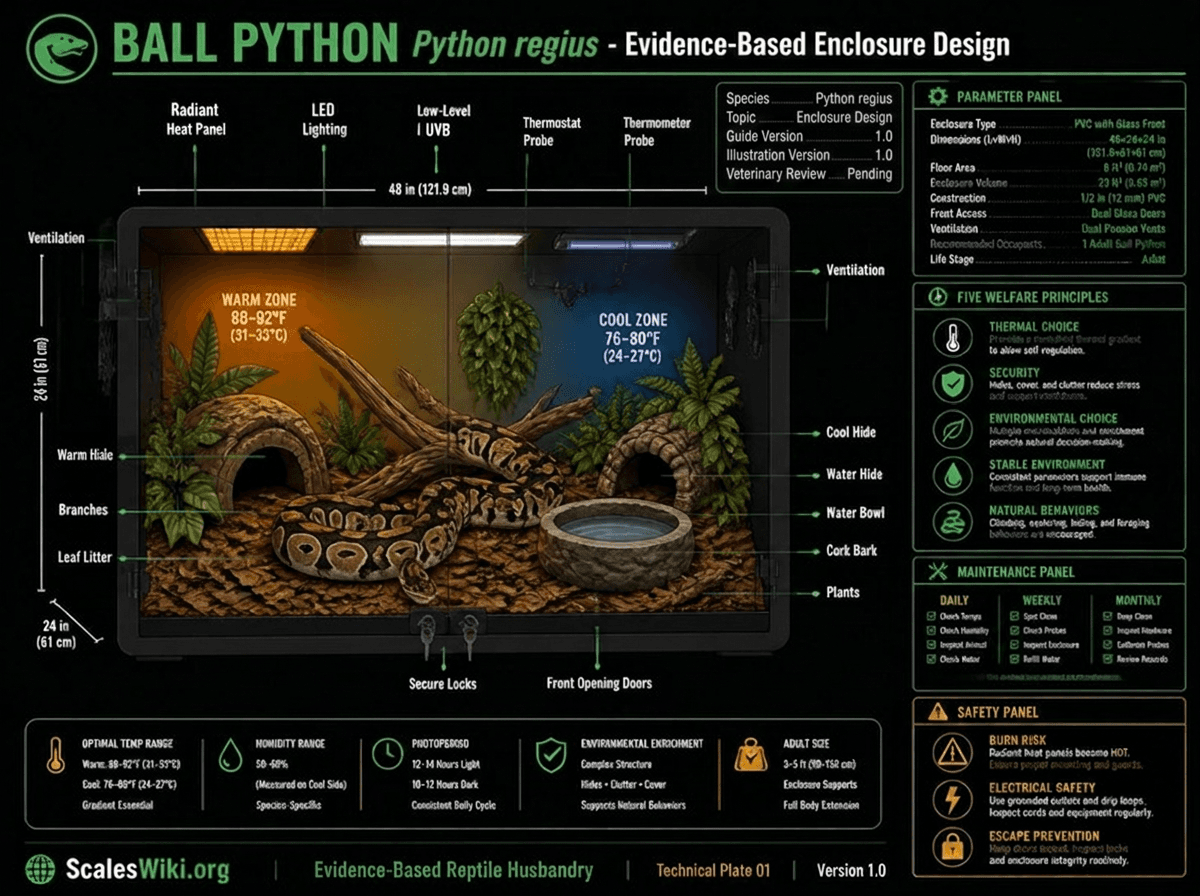
Figure 1. ScalesWiki Technical Plate 01. Recommended enclosure layout for an adult Ball Python (Python regius). Environmental parameters should always be verified using calibrated digital instruments.
ScalesWiki Recommendation
Common Mistake
Science Note
Equipment Before the Animal
Heating
Creating a Safe Thermal Gradient
Ball Pythons rely on environmental temperatures to regulate their body functions. A properly designed thermal gradient allows them to choose the temperature they need throughout the day.
Warm Side
Ambient temperature:
88–92°F (31–33°C)
The warm side provides the temperatures needed for digestion, immune function, and normal metabolism.
Cool Side
Ambient temperature:
76–80°F (24–27°C)
The cool side allows your Ball Python to cool down naturally and avoid overheating.
ScalesWiki Tip
Common Mistake
Science Note
Humidity
Humidity, Hydration & Healthy Shedding
Humidity supports hydration, healthy sheds, and natural behavior. Stable environmental conditions are more important than chasing a single humidity number.
Ball Pythons naturally experience different humidity levels throughout their habitat. A well-designed enclosure should provide stable ambient humidity while allowing the snake to choose suitable microclimates.
Rather than relying on frequent misting, focus on enclosure design, substrate, ventilation, water availability, and a humid hide when appropriate.
Everyday Humidity
60–70%
Maintain consistent humidity with proper substrate, ventilation, and fresh water.
During Shed
70–80%
A humid hide or modest humidity increase may support a complete shed without making the enclosure excessively damp.
ScalesWiki Tip
Common Mistake
Science Note
Lighting
Lighting, Photoperiod & Visible Light
Consistent lighting helps establish normal daily rhythms while working alongside proper heating and enclosure design.
Photoperiod
12 Hours
Maintain a regular schedule.
UVB
Beneficial
Low-output UVB may provide welfare benefits.
Night Lighting
None
Allow complete darkness overnight.
Warm Zone
Required
Provide a proper thermal gradient.
Maintain a Consistent Photoperiod
Use Automatic Timers
Avoid Colored Night Bulbs
LED Lighting
UVB
Night Cycle
References
The following sources support the information presented in this section.
Divers SJ, Mader DR. Current Therapy in Reptile Medicine and Surgery.
Baines FM et al. Reptile Lighting Recommendations.
This guide is currently awaiting veterinary review.
Substrate
Choosing the Right Substrate
Substrate influences humidity, cleanliness, environmental enrichment, and natural behaviors. A well-chosen substrate allows your Ball Python to feel secure while supporting healthy enclosure conditions.
Depth
2–4 in
Enough depth for natural movement and humidity retention.
Bioactive
Optional
Bioactive setups can provide enrichment when properly maintained.
Spot Clean
Daily
Remove waste promptly to maintain hygiene.
Replace
4–8 Weeks
Frequency depends on enclosure type and substrate used.
Use a Humidity-Friendly Substrate
Provide a Naturalistic Environment
Avoid Cedar and Pine
Coconut Husk
Topsoil Mixes
Cypress Mulch
References
The following sources support the information presented in this section.
Divers SJ, Mader DR. Current Therapy in Reptile Medicine and Surgery.
Association of Reptile and Amphibian Veterinarians (ARAV) husbandry guidance.
Peer-reviewed reptile husbandry literature and veterinary references.
This guide is currently awaiting veterinary review.
Water
Hydration, Water Quality & Drinking Behavior
Fresh, clean water is essential for hydration, healthy shedding, kidney function, digestion, and overall health. Every Ball Python should have uninterrupted access to clean drinking water.
Fresh Water
Always
Clean drinking water should always be available.
Water Temperature
Room Temp
Avoid extremely hot or cold water.
Bowl Cleaning
Daily
Replace dirty water immediately.
Water Bowl
Heavy
Choose a stable bowl that resists tipping.
Fresh Water Every Day
Use a Heavy Ceramic Bowl
Monitor Drinking Behavior
Constant Soaking Deserves Investigation
Water Quality
Cleaning Routine
Hydration
Humidity
Watch For
Rescue Note
| Situation | Likely Explanation | Recommended Action |
|---|---|---|
| Dirty water every day | Substrate or waste contamination | Clean bowl and review placement. |
| Frequent soaking | Shedding or husbandry issue | Review humidity, temperature, and inspect for mites. |
| Rarely seen drinking | Often normal behavior | Monitor hydration rather than observation alone. |
References
The following sources support the information presented in this section.
Divers SJ, Mader DR. Current Therapy in Reptile Medicine and Surgery.
Association of Reptile and Amphibian Veterinarians (ARAV) husbandry guidance.
Peer-reviewed literature on reptile hydration, renal physiology, and captive husbandry.
This guide is currently awaiting veterinary review.
Feeding
Feeding & Nutrition
Proper nutrition is one of the most important aspects of ball python husbandry.
Hatchlings
5–7 Days
Feed every 5–7 days.
Juveniles
7–10 Days
Increase prey size gradually.
Adults
14–28 Days
Adjust feeding by body condition.
Preferred Prey
Frozen/Thawed
Recommended over live prey.
Choose the Correct Prey Size
Frozen-Thawed is Best
Do Not Handle After Feeding
Natural Diet
Digestion
Body Condition
References
The following sources support the information presented in this section.
Divers SJ, Mader DR. Current Therapy in Reptile Medicine and Surgery.
BSAVA Manual of Reptiles.
Association of Reptile and Amphibian Veterinarians (ARAV).
This guide is currently awaiting veterinary review.
Handling
Safe and Low-Stress Handling
Ball Pythons are generally calm snakes, but every individual has its own temperament. Respectful, gradual handling helps build confidence while reducing stress for both the snake and keeper.
New Arrival
5–7 Days
Allow time to settle before the first handling session.
After Feeding
48 Hours
Avoid handling to reduce the risk of regurgitation.
Sessions
10–15 Min
Keep early handling sessions short and calm.
Approach
Gentle
Support the snake's body and avoid sudden movements.
Support the Entire Body
Handle Calmly and Consistently
Do Not Handle After Feeding
Supporting the Snake
Handling Frequency
Recognizing Stress
References
The following sources support the information presented in this section.
Divers SJ, Mader DR. Current Therapy in Reptile Medicine and Surgery.
Association of Reptile and Amphibian Veterinarians (ARAV) handling and welfare recommendations.
Peer-reviewed literature on reptile behavior and stress reduction.
This guide is currently awaiting veterinary review.
Health
Monitoring Health and Recognizing Problems
Routine observation and good husbandry are the foundation of maintaining a healthy Ball Python. Many health issues can be prevented through proper enclosure design, nutrition, hygiene, and regular monitoring.
Daily Check
Observe
Watch for changes in behavior, appetite, and activity.
Weight
Monthly
Track weight monthly using a digital gram scale. Consistent weight records are one of the earliest indicators of developing health problems.
Shedding
Monitor
Healthy sheds are typically complete and occur regularly.
Veterinary Exam
When Ill
Consult a reptile veterinarian whenever illness is suspected.
Early Recognition Improves Outcomes
Keep Health Records
Do Not Attempt to Diagnose Serious Illness Online
Respiratory Problems
Shedding Issues
Body Condition
References
The following sources support the information presented in this section.
Divers SJ, Mader DR. Current Therapy in Reptile Medicine and Surgery.
Association of Reptile and Amphibian Veterinarians (ARAV) educational resources.
Peer-reviewed veterinary literature on reptile medicine and welfare.
This guide is currently awaiting veterinary review.
Common Mistakes
Avoiding Common Husbandry Mistakes
Many Ball Python health problems begin with preventable husbandry mistakes. Understanding these common errors can improve welfare and reduce unnecessary stress.
Using Heat Without a Thermostat
Keeping the Enclosure Too Empty
Handling Immediately After Feeding
Incorrect Humidity
Feeding Oversized Prey
Ignoring Small Changes
Making Frequent Enclosure Changes
Relying on Social Media Instead of Evidence
This guide is currently awaiting veterinary review.
Frequently Asked Questions
Ball Python FAQ
Answers to some of the most common questions new and experienced Ball Python keepers ask.
Are Ball Pythons good beginner snakes?
Do Ball Pythons need UVB lighting?
Why won't my Ball Python eat?
How often should I clean the enclosure?
How long do Ball Pythons live?
Can Ball Pythons live in bioactive enclosures?
Should I feed live or frozen/thawed prey?
How do I find a qualified reptile veterinarian?
This guide is currently awaiting veterinary review.
References
Sources and Further Reading
ScalesWiki guides are developed using veterinary references, published husbandry resources, and peer-reviewed literature. This guide is intended as an educational resource and should not replace advice from a qualified reptile veterinarian.
Books
- Barker DG, Barker TM. Ball Pythons: The History, Natural History, Care and Breeding.
- Divers SJ, Mader DR. Current Therapy in Reptile Medicine and Surgery.
- Mader DR. Reptile Medicine and Surgery.
Veterinary Organizations
- Association of Reptile and Amphibian Veterinarians (ARAV)
- British Veterinary Zoological Society (BVZS)
- American Veterinary Medical Association (AVMA)
Scientific Literature
- Peer-reviewed publications relating to reptile medicine, welfare, nutrition, behavior, and captive husbandry.
ScalesWiki Editorial Policy
Every ScalesWiki guide is reviewed for factual accuracy, updated as husbandry recommendations evolve, distinguishes evidence-based recommendations from expert opinion where appropriate, and clearly identifies content awaiting independent veterinary review.
This guide is currently awaiting veterinary review.